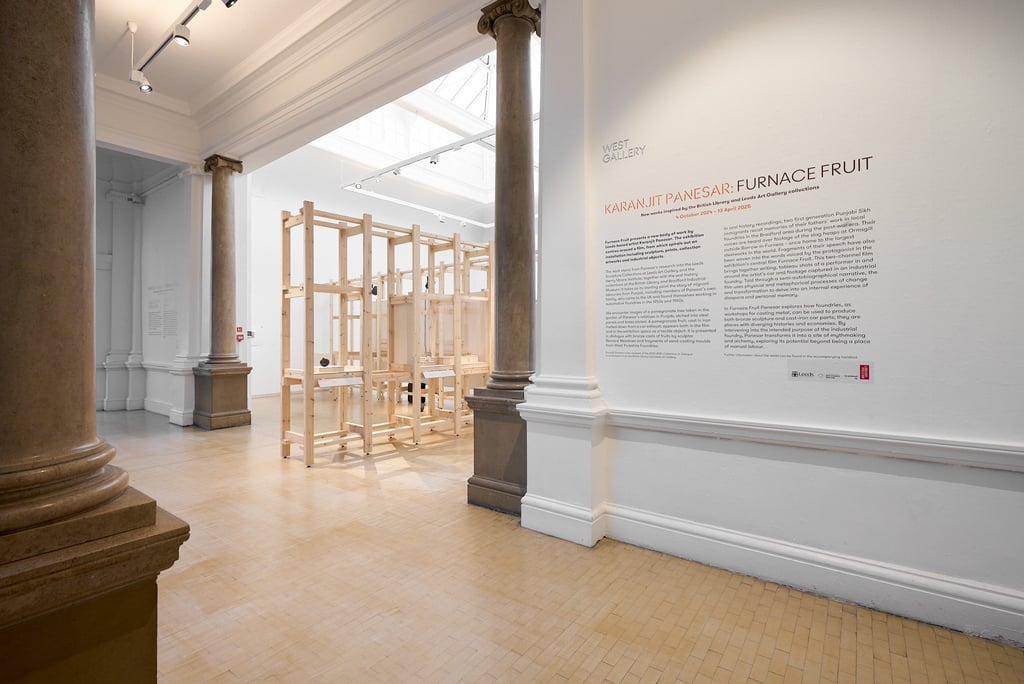
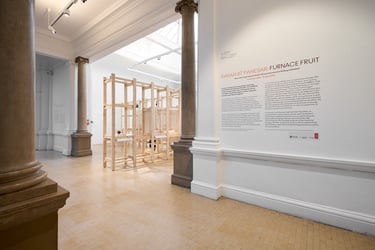





Furnace Fruit is an expansive and layered exhibition about shifting identities across generations. The exhibition excavates material, industrial, and personal histories, drawing their interconnectedness through legacies of the British imperial project.
In the 1950s and 60s, thousands of Punjabi immigrant workers arrived in the UK. Many of them - including members of Panesar's family - took up work in automotive foundries in the West Midlands and elsewhere. They cast molten iron, manufacturing car parts for the post-war British auto industry.
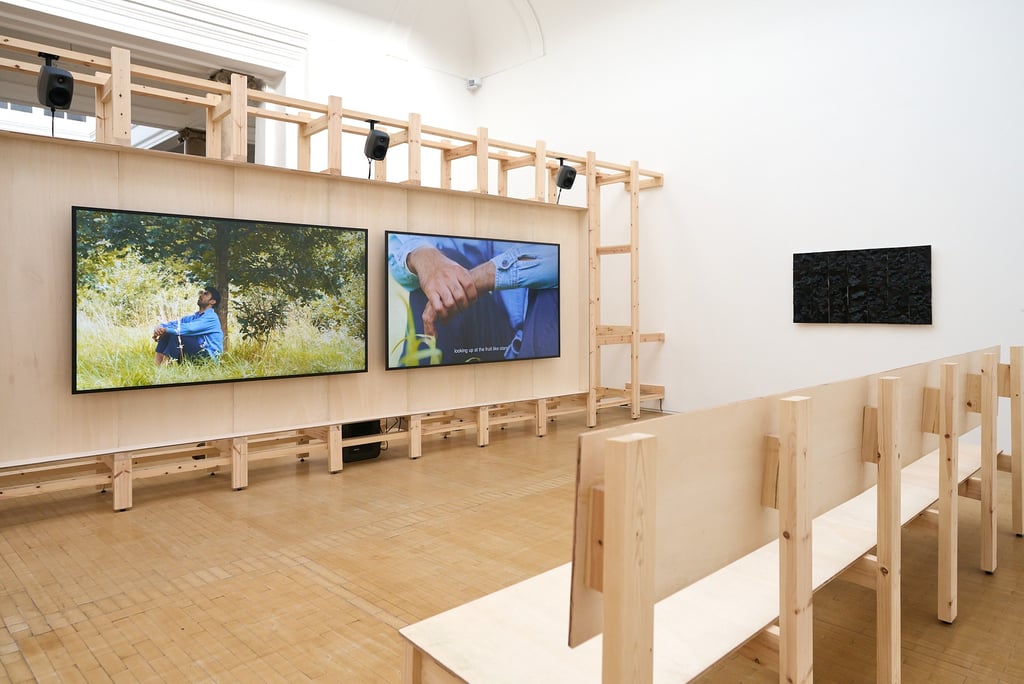
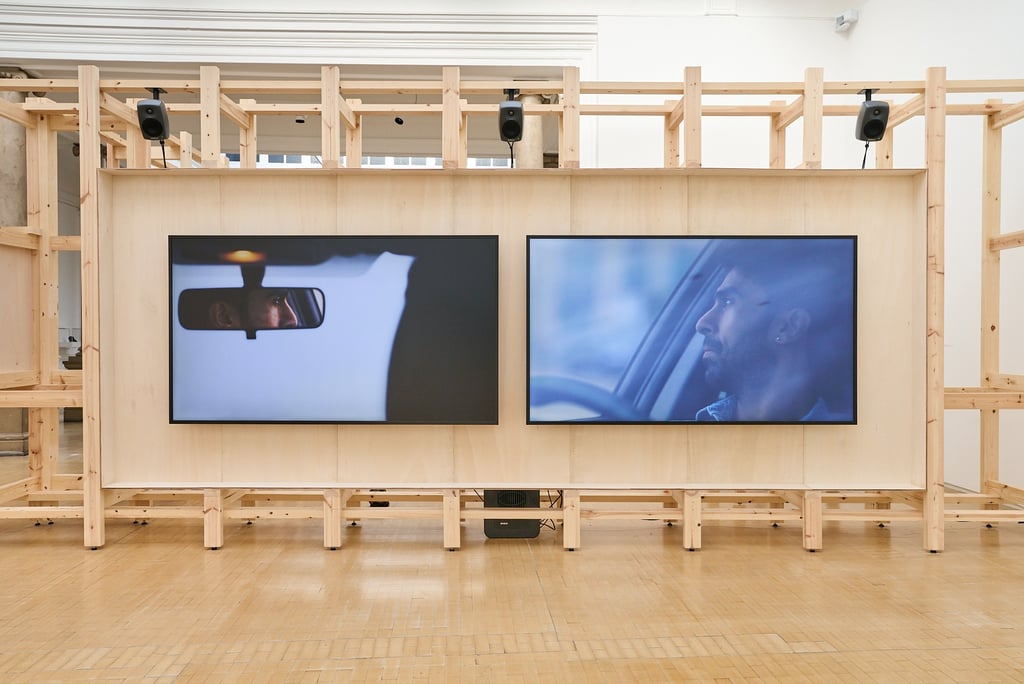
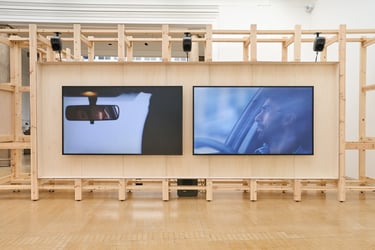
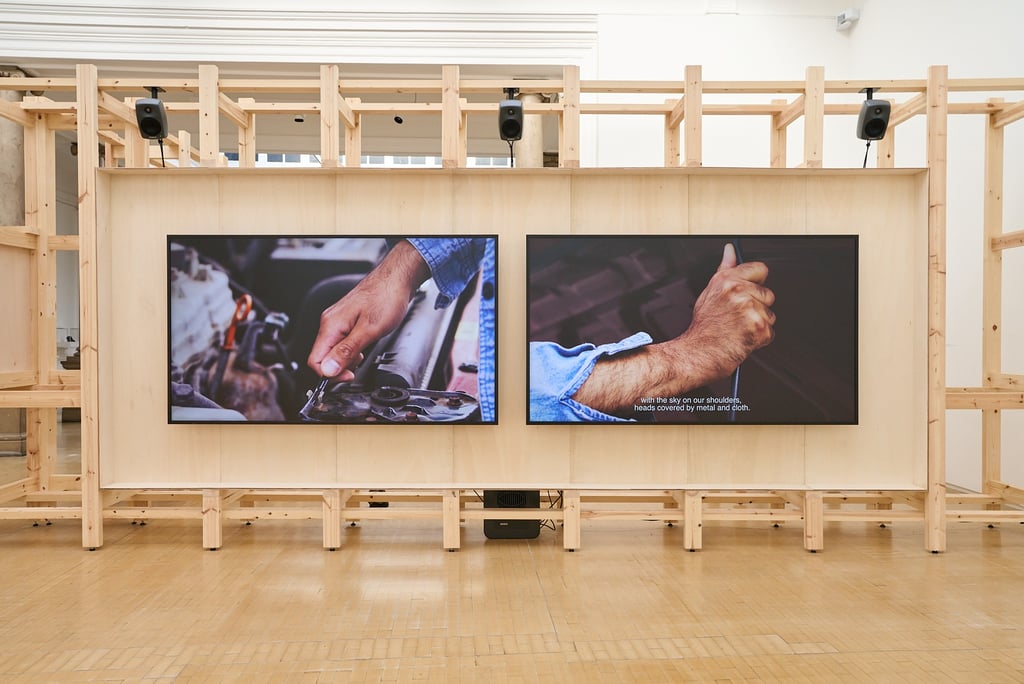
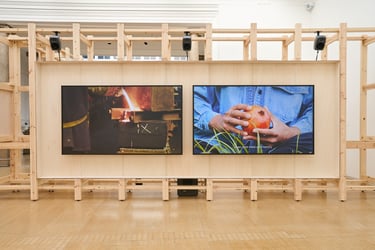
The exhibition’s central work is a 16 minute 2-channel film that picks up two generations after this history. It is told from the perspective of an unnamed protagonist who, while on a drive with a spectral figure that could be his father or grandfather, pulls the car over and peers into its engine, hoping to find the answer to the distance between them.
“He’s speaking in our language; I am listening in mine.”
The film’s original script takes the form of a semi-autobiographical poetry, informed by research into the British Library’s collection of oral histories. The writing encompasses a wide array of themes, including the nuances of Punjabi-Sikh migration to the UK, contested images of nationhood, cultural alienation, working class immigrant labour and Britain’s imperial military history.
“…to show him England in the engine’s black terrain; part cannon, part exhaust.”
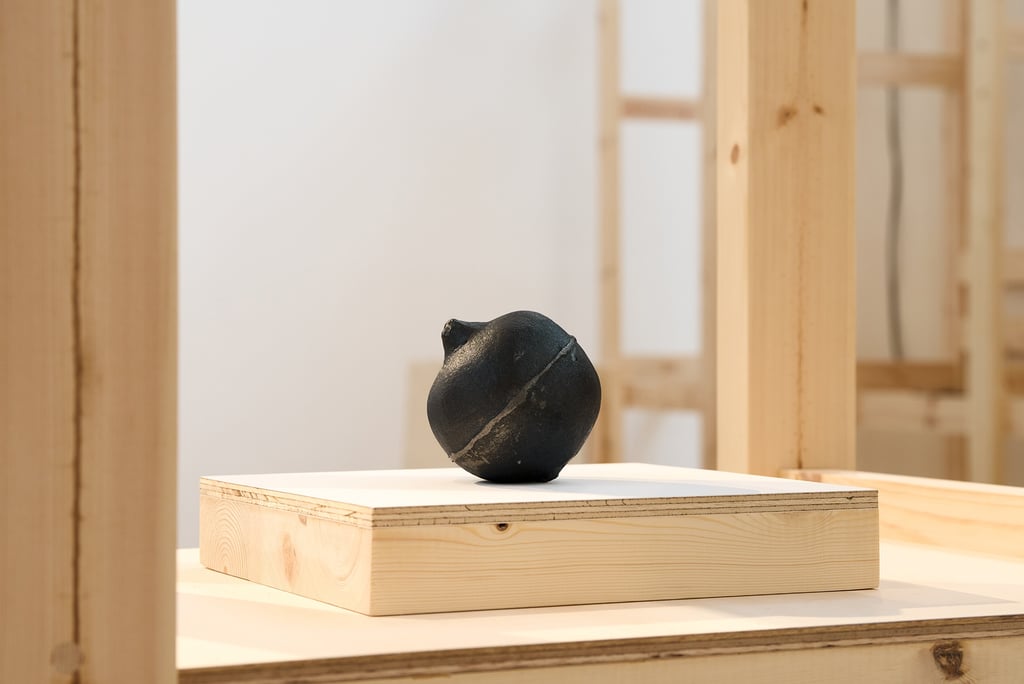
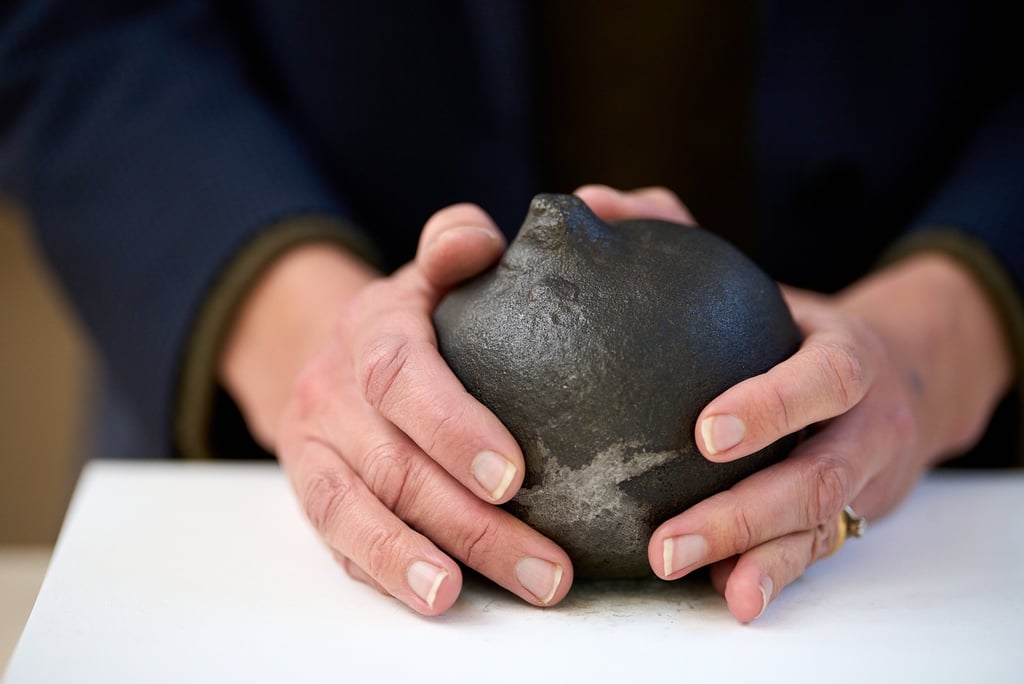
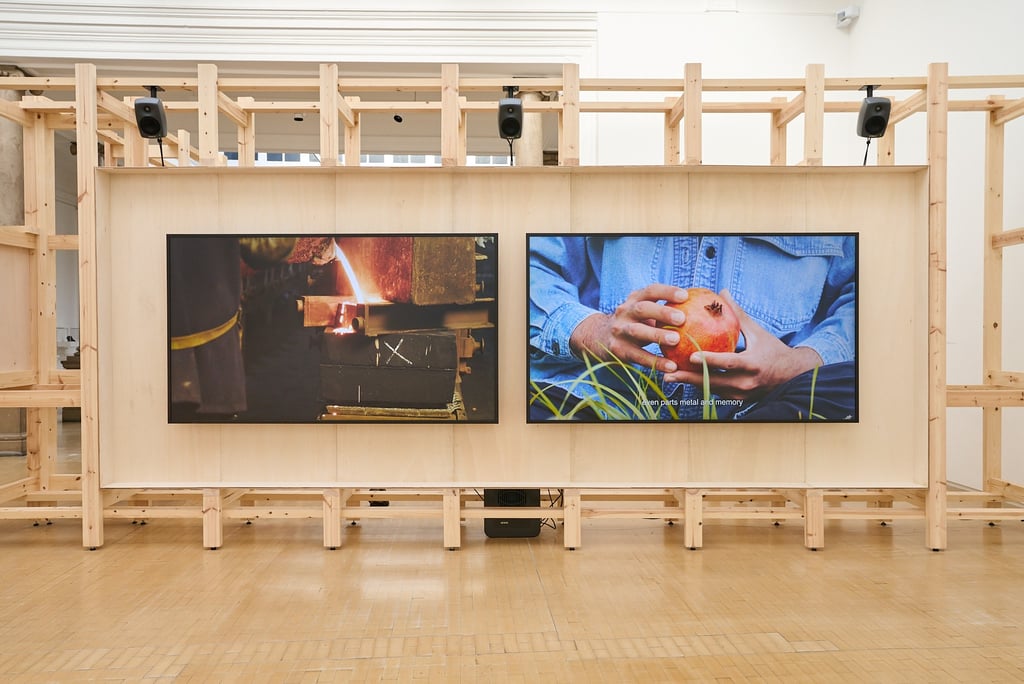
Around the protagonist’s reflections a cast-iron exhaust pipe is shown melting in the foundry’s furnace, to be re-poured into the shape of a pomegranate fruit: a personal metaphor that sits at the heart of the exhibition as both a partial reclamation and complication of established narratives of migration, labour and cultural identity.
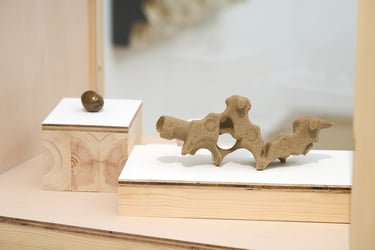
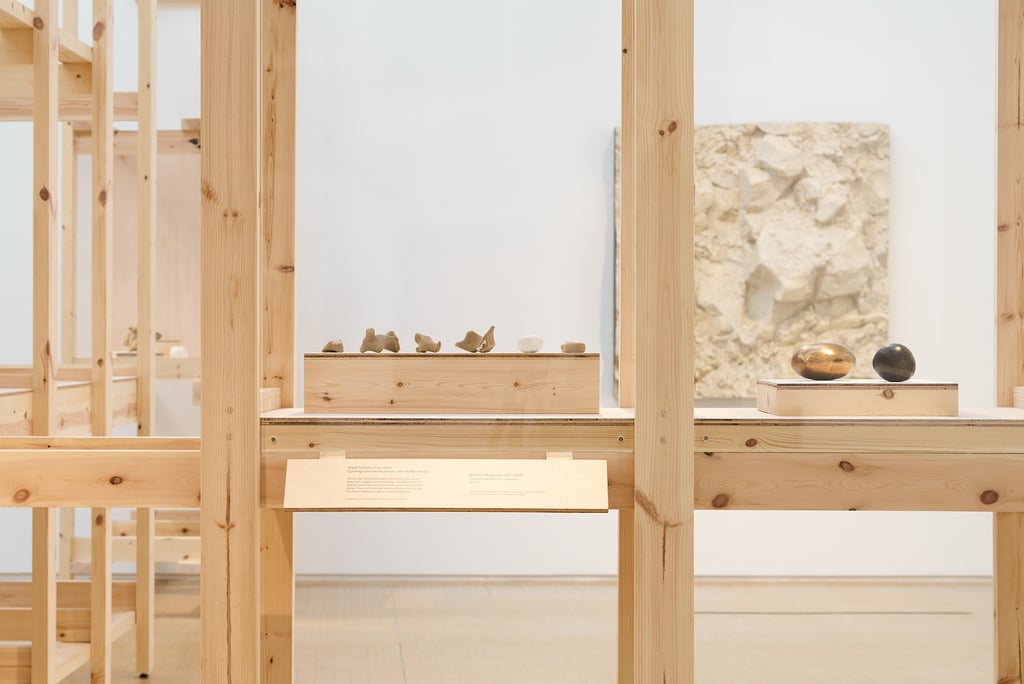
The cast-iron pomegranate is presented in the gallery installation as a tactile sculpture, shown in tension with cast bronze fruits by Bernard Meadows borrowed from the Leeds Art Gallery collection, and fragments of sand casting moulds from West Yorkshire Foundries held at Leeds Industrial Museum.
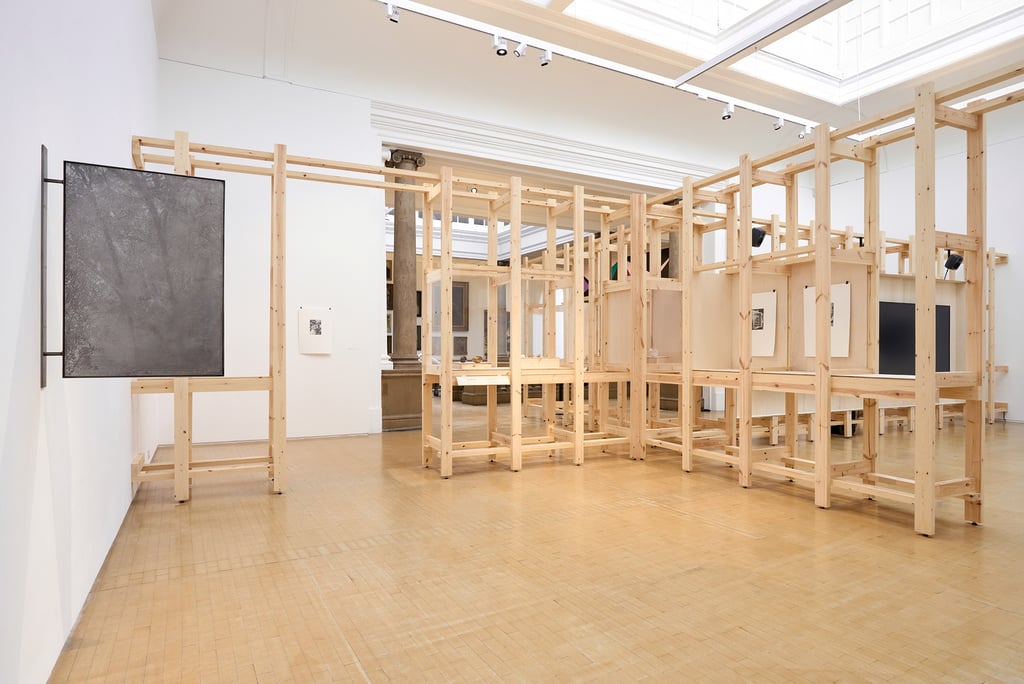
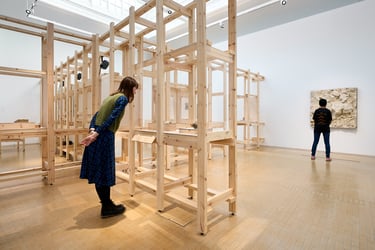
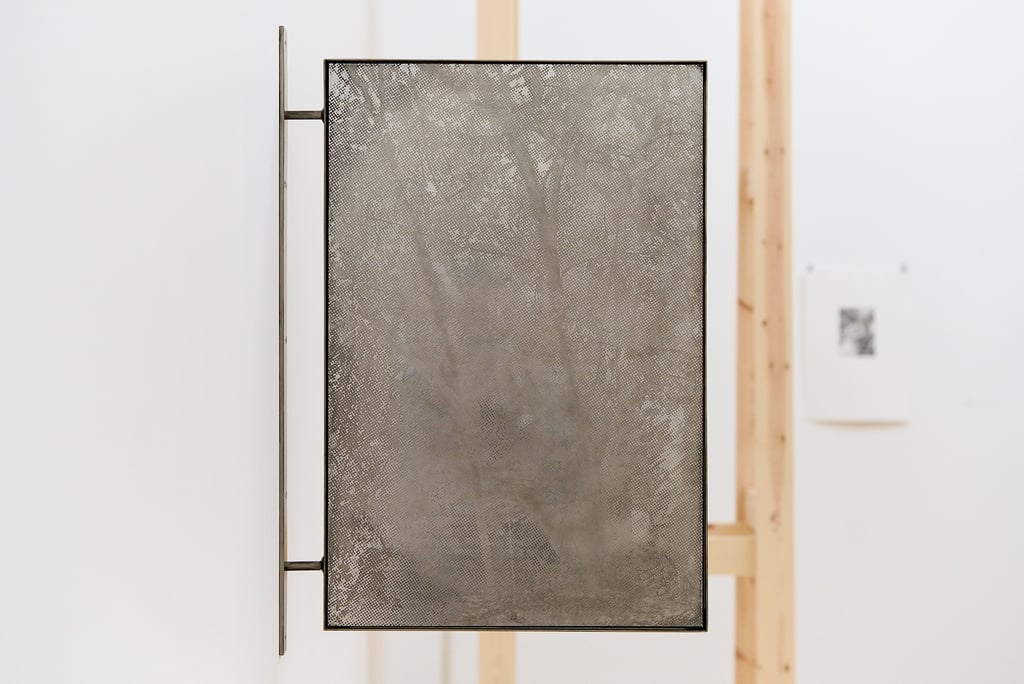
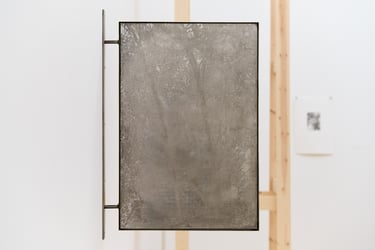
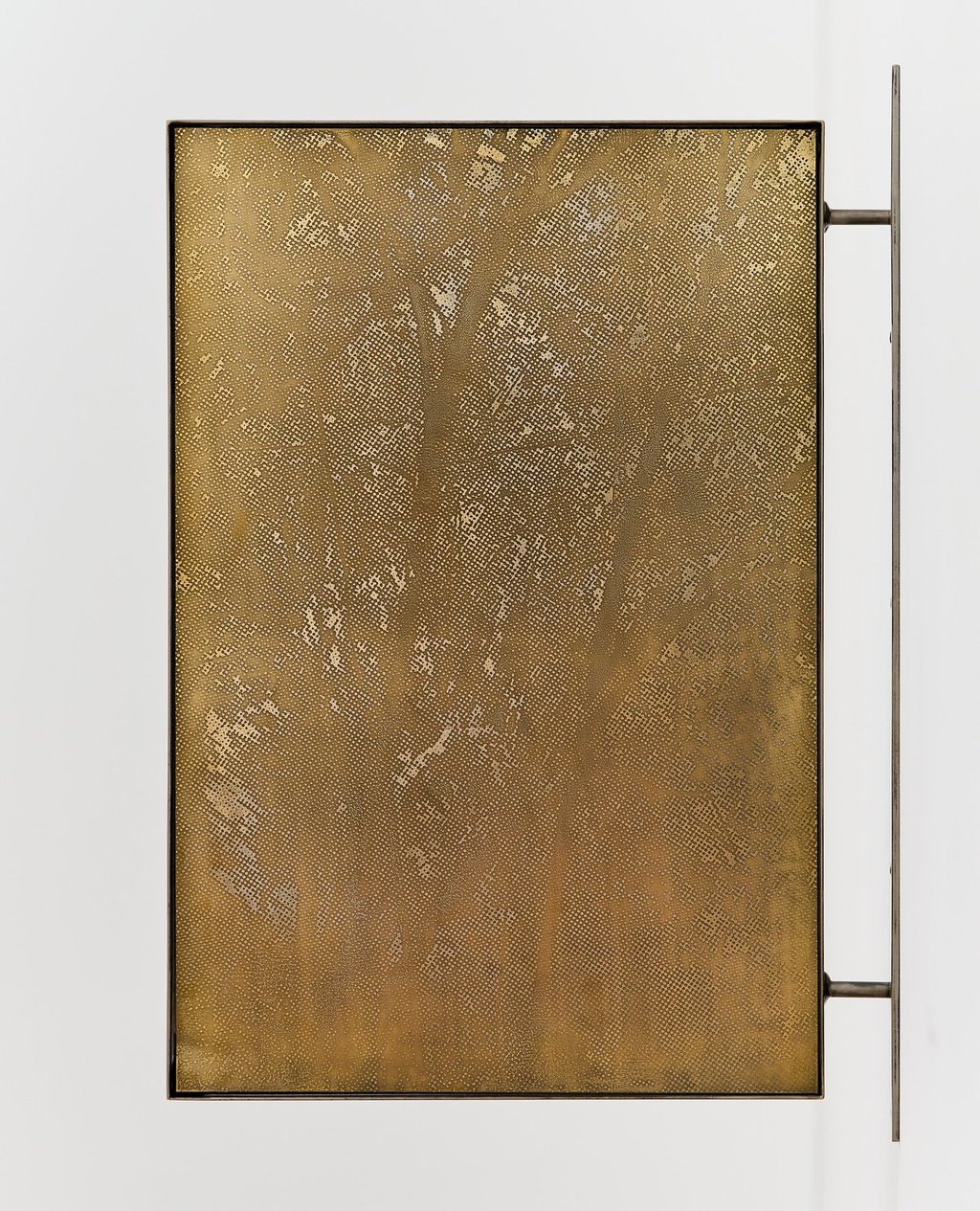
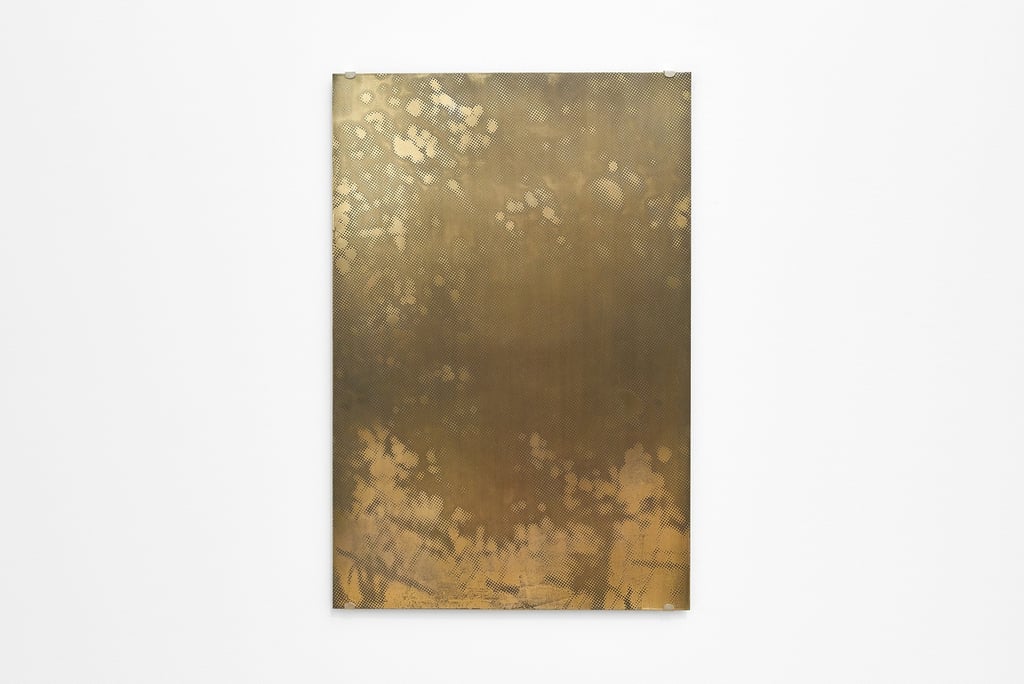
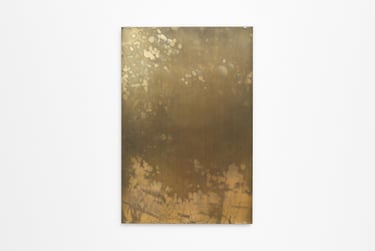
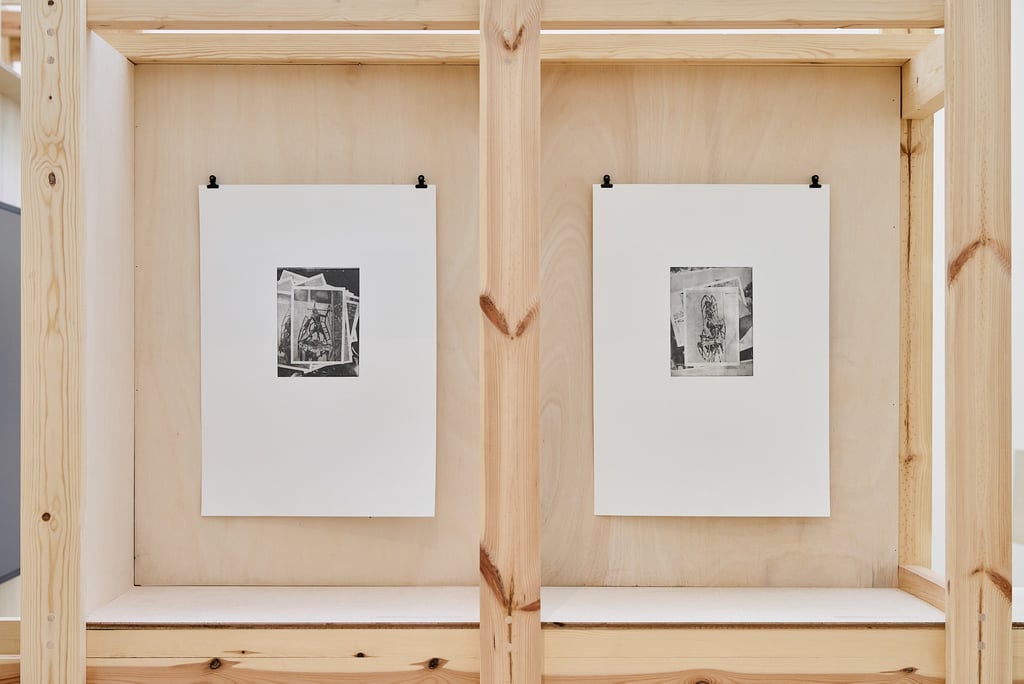
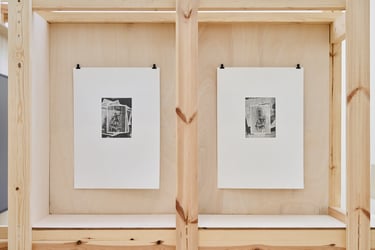
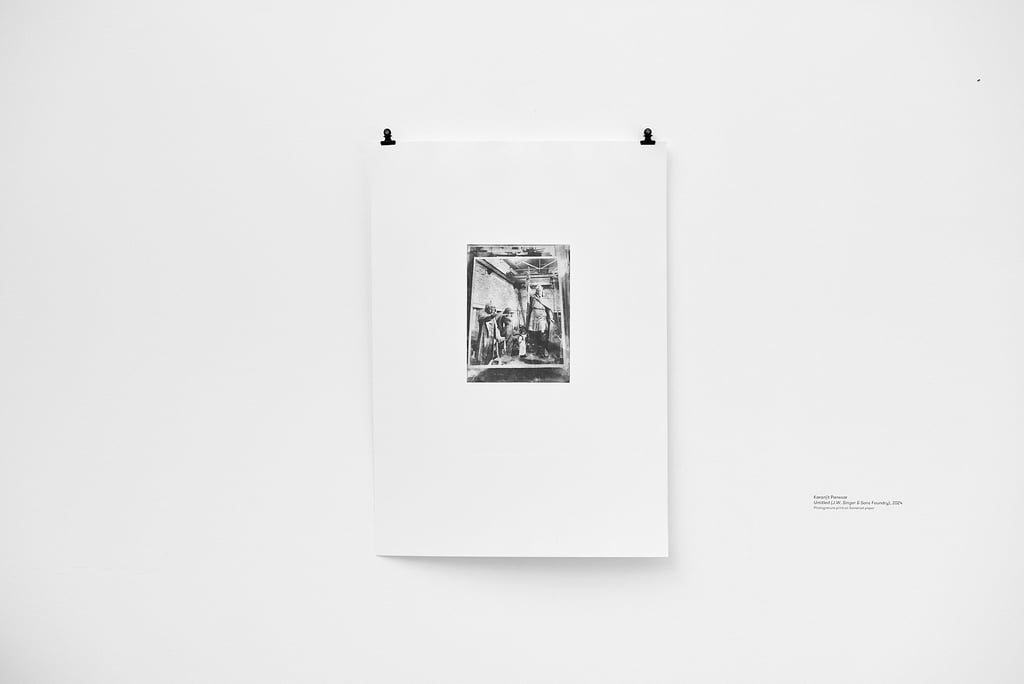
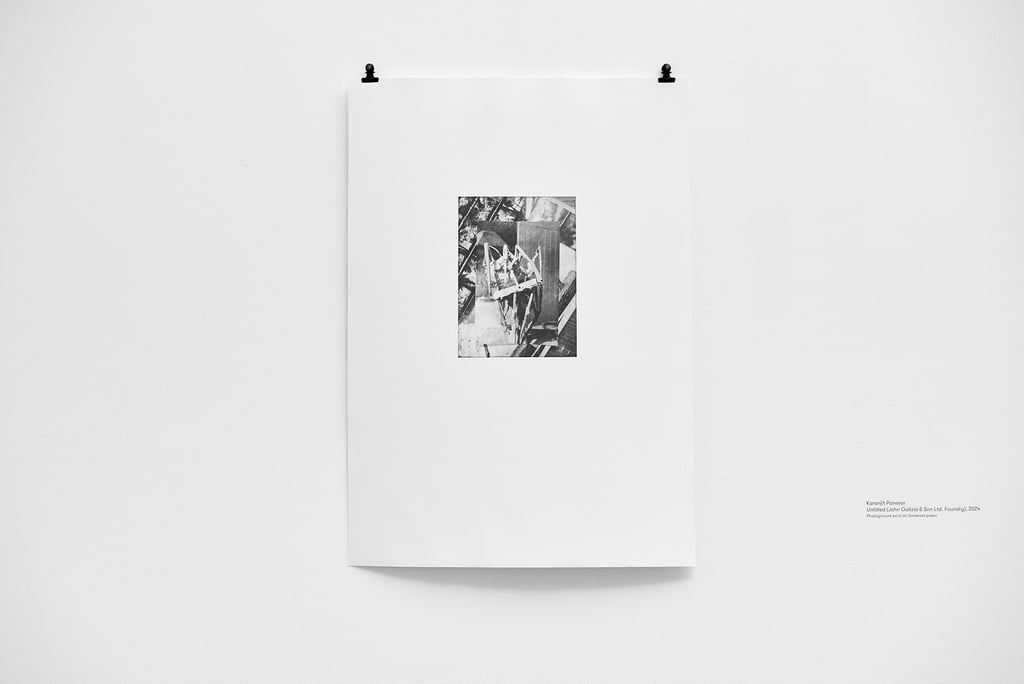
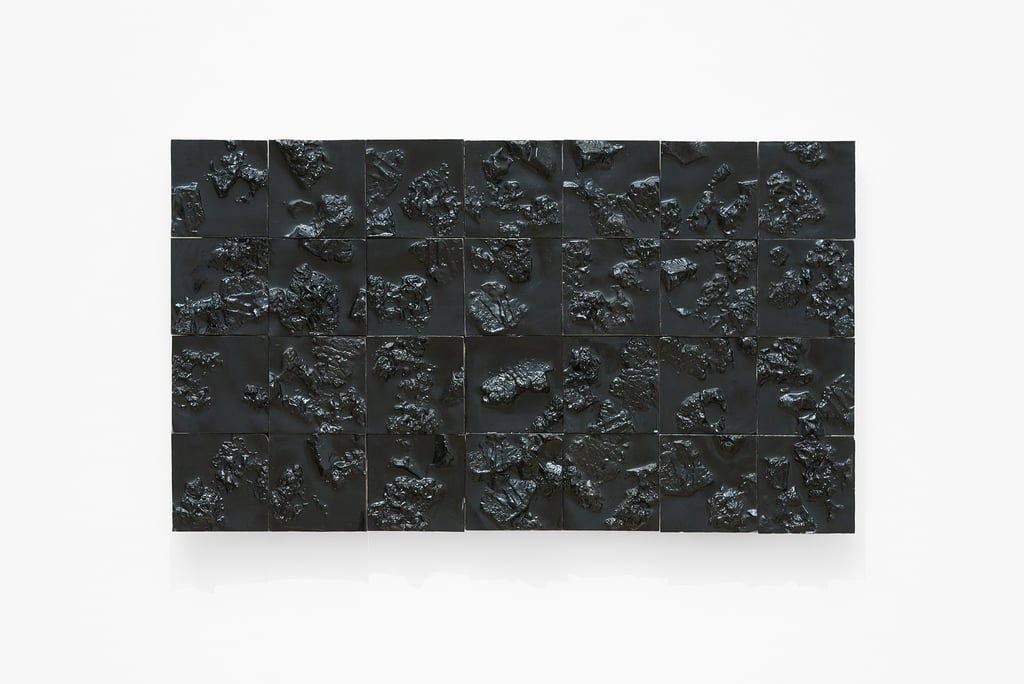
The installation takes the form of a labyrinthine open framework that conceals and reveals as it is moved through. Photogravure prints, collection objects, sculpture, and large format etchings in raw and brass-plated steel are installed at different points along a choreographed journey that leads eventually to the exhibition's titular 2-channel film.
Co-commissioned by Leeds Art Gallery and the British Library.
All images (c) Rob Battersby